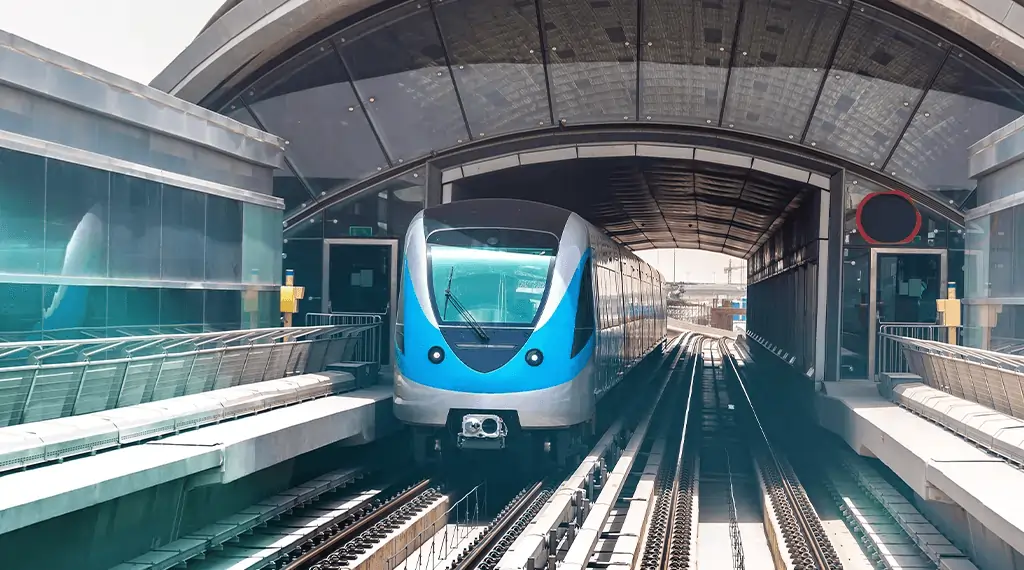
The Delhi Metro has completely reshaped how millions of people travel across the capital every day. Among the most important stations on the Yellow Line lies Saket Metro Station, situated in South Delhi. This metro station has developed into much more than a transport hub—it is now a landmark that connects people from one of the poshest residential areas to popular shopping centers, workplaces, and educational institutions.
As Delhi continues to expand rapidly, easy and efficient public transport remains absolutely critical. In this regard, Saket Metro Station provides seamless mobility, helping reduce traffic jams and cutting down travel time for thousands. It not only connects the bustling neighborhoods nearby but also enables quick transfers to business hubs like Gurugram and central zones like Connaught Place. For residents, office goers, students, and tourists alike, it has become one of the most dependable transport facilities in South Delhi.
Historical Background of Saket Metro Station Delhi
When the Delhi Metro Rail Corporation began planning the Yellow Line, a high priority was placed on providing service to areas of South Delhi that often suffered from severe congestion. It was in this context that Saket Metro Station Delhi was commissioned. Built in the early expansion phase of the metro project, the objective was to improve accessibility and transport efficiency for a growing residential community and commercial market in Saket.
Before the station came into existence, commuting around Saket involved a heavy dependency on buses, auto-rickshaws, and private cars. This not only made travel time longer but also contributed to traffic bottlenecks across the Mehrauli-Badarpur stretch. With the inauguration of the station, travel patterns changed overnight. Residents gained easier access to workplaces in Gurugram, shoppers reached malls more conveniently, and students benefited from quicker transit options. Over time, Saket Metro Station Delhi became a key landmark representing infrastructural growth, urban modernization, and improved connectivity for South Delhi.
Location and Connectivity of Saket metro station timings
One of the most frequently asked questions by new travelers relates to Saket metro station timings. Being part of the Yellow Line, the station usually starts operating from early morning to accommodate office rush-hour passengers and runs late into the night for those returning after shopping or late-night movies. The precise timings often depend on weekdays, weekends, and holidays but are designed to serve almost every category of traveler.
In terms of location, the station enjoys a prime spot on Mehrauli-Badarpur Road, connecting passengers not just to residential localities but also commercial areas nearby. Anyone heading toward hubs like Malviya Nagar, Khirki Extension, or even Gurugram finds the metro from Saket to be highly reliable. The north-south corridor covered by the Yellow Line makes travel smooth between north Delhi, central areas, and southern outskirts. In this sense, apart from its timings, the broader positioning plays a huge role in establishing Saket Metro Station timings as a dependable feature in daily life for thousands of commuters.
Features of Saket Metro Station parking
For many city inhabitants who combine private and public travel, the availability of Saket Metro Station parking is a major benefit. Passengers who prefer to drive from their homes or offices and then continue journeys by metro can conveniently leave their vehicles in the designated parking space provided at the station. This reduces the workload of traffic congestion on nearby streets and ensures smoother last-mile connectivity. Adequate lighting, surveillance systems, and entry-exit barriers ensure that the parking lot remains organized and safe for vehicles.
The existence of reliable Saket Metro Station parking has expanded the station’s utility beyond being just a metro stop. It has transformed into a park-and-ride facility for many residents in distant suburbs who prefer connecting quickly to Delhi Metro for smoother, faster commuting. Office goers heading toward Gurugram often prefer leaving cars here instead of driving further into traffic. The facility is particularly popular during workdays when commuters flock early in the morning to secure their spots.
Modern Saket Metro Station facilities
One of the defining aspects that elevate the status of Saket Metro Station facilities is its range of commuter-friendly amenities. The station is designed to handle heavy footfall comfortably, with smart card recharge machines, multiple ticket counters, security scanning setups, rest areas, signage boards, CCTV surveillance, and vending kiosks. Well-functioning escalators and elevators provide access across floors conveniently while clear maps further guide passengers toward exits and platform bays.
Beyond travel essentials, other modern conveniences like ATMs, small snack counters, and clean toilet facilities ensure that travelers have minimal difficulty when spending time inside the station. Frequent travelers emphasize the importance of Saket Metro Station facilities in streamlining daily commuting. The range of services not only saves precious time but adds safety and comfort to the overall journey. The upkeep and regular maintenance add to the station’s appeal as a well-managed public transit hub in South Delhi.
Importance of Saket Metro Station first train last train
Travelers need accurate information regarding Saket Metro Station first train last train schedules because daily routines, office timing, flights, and social activities often depend on them. The Delhi Metro ensures that the earliest trains from Saket begin in the morning to cater to professionals who need to reach central business hubs, while the last train leaves late enough to serve moviegoers, shoppers, and night-shift employees.
The role of Saket Metro Station first train last train schedules is significant not just for individuals but also for the way businesses and communities operate around Saket. Restaurants, malls, and entertainment spots close late at night, and having the last metro ensures customers and workers can return home safely without being dependent only on autos or taxis. Similarly, the first train in the morning supports early morning students or office-goers who depend on timely and cost-effective commuting.
Utility of Saket Metro Station route map
A Saket Metro Station route map is an essential tool for passengers who are new to Delhi or South Delhi specifically. The map allows commuters to plan their journeys effectively by understanding interchange stations, direct connections, and important stops between their starting and final destinations. This becomes particularly important when traveling from Saket to far-off places like Kashmere Gate, Central Secretariat, or Gurugram.
For tourists, hotels, and offices surrounding this area, the availability of a clear Saket Metro Station route map becomes a guide to navigate Delhi easily. It reduces confusion, eliminates extra travel, and ensures that individuals save both money and time every day. Since the Yellow Line connects diverse parts of Delhi NCR, having route clarity empowers passengers to travel confidently. The map is often displayed inside the station and helps first-time users seamlessly board the right train.
Exploring Saket Metro Station nearby landmarks
Commuters and tourists alike are always curious about Saket Metro Station nearby landmarks. This station holds the advantage of proximity to some of the most sought-after malls like Select Citywalk, DLF Avenue, and MGF Metropolitan. Entertainment hubs such as multiplex cinemas, PVR Anupam, and fine dining restaurants also make it a cultural attraction spot. The location near the station ensures that visitors can enjoy leisure activities within walking distance.
Apart from malls, the area is home to well-planned residential neighborhoods. Cultural centers and historical attractions like the Garden of Five Senses and Qutub Minar are easily accessible too, making this station an ideal starting point for sightseeing in South Delhi. Professionals working in nearby office blocks also praise the ease offered by having Saket Metro Station nearby landmarks that combine convenience with lifestyle.
Details about Saket Metro Station entry exit gate numbers
An important practical detail for commuters is knowing Saket Metro Station entry exit gate numbers. This station is equipped with multiple gates leading passengers in different directions. Gate 1, for instance, is designated toward PVR Anupam and surrounding areas, which makes it one of the busiest gates throughout the day. Each gate has signage maps that show directions for accessing roads, auto stands, and bus stops.
The existence of several Saket Metro Station entry exit gate numbers ensures proper crowd control and easy access to important streets and complexes. Whether a passenger wants to head toward residential colonies, shopping malls, or bus connections, the correct gate simplifies navigation. This arrangement is especially valuable during peak hours when footfall is high, making smooth entry and exit essential for commuter convenience.
Saket Metro Station Gate no 1
Among the entry points, Saket Metro Station Gate no 1 remains one of the busiest and most significant gateways for commuters. This gate directly leads toward PVR Anupam, one of the earliest and still most popular multiplexes in Delhi. It also provides access to various restaurants, shopping complexes, and office spaces along the road. For passengers who frequently visit malls like Select Citywalk, Gate no 1 often becomes the most preferred exit.
The importance of Saket Metro Station Gate no 1 is not just about proximity but also safety and connectivity. Clear signboards, security personnel, and auto-rickshaw stands nearby make it especially commuter-friendly. During weekends, the gate sees a heavy rush with families, groups of friends, and shoppers heading toward malls or cinema halls. Meanwhile, professionals working in adjoining commercial complexes also benefit from its placement. Its prime location reinforces why Gate 1 continues to hold special recognition among daily metro users.
Accessibility at Saket Metro Station
One of the most commendable features travelers notice is the strong emphasis placed on accessibility at Saket Metro Station. The station is equipped with elevators, ramps, and escalators designed to assist senior citizens, differently abled individuals, and parents with strollers. Wheelchair accessibility ensures that no commuter is excluded from traveling comfortably, highlighting the inclusive approach of the Delhi Metro infrastructure.
Furthermore, accessibility at Saket Metro Station extends beyond physical features. Announcements in both Hindi and English, digital display boards, adequately lit platforms, and staff available for guidance all contribute to making the commuting experience smooth and user-friendly. Blind-friendly guiding tiles on walkways add to the inclusive design. These features make Saket a model metro station where comfort and equal access are prioritized to serve the diverse needs of Delhi’s population.
Navigating Saket Metro Station facilities
For new passengers, navigating Saket Metro Station facilities can feel overwhelming initially, but the layout is intelligently designed. The station incorporates ticket counters at entry points, automated smart card recharge machines, and clear directional signage to platforms. Special security screening counters are located at every gate, ensuring safety checks are quick yet efficient.
Travelers who explore navigating Saket Metro Station facilities realize that the design strongly emphasizes user ease. Escalators and lifts are strategically placed, connecting concourses with platforms. Shops and kiosks are located along primary walking paths, making amenities easily available without creating crowd jams. Crowd flow management is a central factor, particularly during peak office hours in mornings and evenings, when thousands of commuters pass through. These design decisions reinforce the reputation of Saket as a people-friendly station.
Public transport from Saket Metro Station
One of the biggest advantages of traveling through Saket is the availability of public transport from Saket Metro Station connecting to various neighborhoods. Once passengers exit, they can access a wide fleet of Delhi Transport Corporation (DTC) buses servicing routes toward Hauz Khas, Nehru Place, Connaught Place and beyond. For shorter nearby destinations, auto-rickshaws and cycle rickshaws are available right outside public exits.
Adding to this, shared e-rickshaws provide convenient last-mile connectivity toward residential colonies. People staying in areas like Saket Block J or Block M, Khirki Extension, or Sheikh Sarai find these modes particularly helpful. The combination of metro and bus stands creates a travel hub, allowing residents to travel without depending on personal cars. Because public transport from Saket Metro Station is efficient and affordable, it encourages daily mobility for thousands of commuters across South Delhi.
Nearby Metro Stations of Saket Metro Station
Saket Metro Station lies on the Yellow Line of the Delhi Metro, one of the busiest and longest-running corridors of the network. The nearest neighboring metro stations are Malviya Nagar Metro Station (towards north) and Qutub Minar Metro Station (towards south). Both are just a few minutes away by train and serve as important alternatives for commuters who wish to access nearby colonies, markets, and historical areas.
Being part of the Yellow Line, Saket enjoys direct connectivity between Samaypur Badli in North Delhi and HUDA City Centre in Gurugram. This line passes through key districts like Old Delhi, New Delhi, Central Delhi, South Delhi, and Gurgaon, making it one of the most convenient choices for lakhs of passengers each day.
All Yellow Line Metro Stations (North to South):
- Saket
- Chhatarpur
- Sultanpur
- Ghitorni
- Arjan Garh
- Guru Dronacharya
- Sikanderpur
- MG Road
- IFFCO Chowk
- HUDA City Centre
With Saket Metro Station right in the middle of South Delhi, passengers can easily move north toward hubs like INA, AIIMS, Rajiv Chowk, Chandni Chowk, or south toward Qutub Minar, Gurgaon, and HUDA City Centre. The Yellow Line’s arrangement of 37 stations ensures smooth connectivity for shopping, historic sightseeing, healthcare, business, and residential travel needs.
Nearby markets around Saket Metro Station Delhi
Shoppers in South Delhi often rely on nearby markets around Saket Metro Station Delhi to enjoy a mix of local street shopping and premium outlets. For instance, PVR Anupam and the adjoining markets are prime for cafés, eateries, and smaller stores. A short walk or auto ride takes passengers to Select Citywalk Mall, DLF Avenue, and MGF Metropolitan Mall, three of the most popular malls in Delhi that attract not only locals but visitors from other parts of NCR.
At the same time, those who prefer budget-friendly street shopping can visit Khirki Extension or Malviya Nagar market. Whether it’s clothes, accessories, or daily groceries, these spots offer multiple options at varying price points. Because of these nearby markets around Saket Metro Station Delhi, the area has become a lifestyle hotspot. The mix of luxury malls and humble street bazaars ensures that passengers exiting the metro always have varied shopping and dining options within close distance.
Residential properties near Saket Metro Station
South Delhi is known for being one of the most premium parts of Delhi, and the presence of residential properties near Saket Metro Station adds significant appeal. Popular housing options close to the station include Saket Block J and Block M, Saidulajab apartments, and Khirki Extension residences. Many of these locations have evolved into modern housing zones that are preferred by working professionals due to easy metro access.
The demand for residential properties near Saket Metro Station has always been strong because of the convenience it offers. Having malls, schools, hospitals, banks, and recreational parks nearby makes the area highly sought after. Families looking for both comfort and commuting ease often find Saket a prime choice. While real estate prices may be higher than some other parts of Delhi, the metro station’s location ensures property values remain stable and promising for long-term investment.
Commercial benefits of Saket Metro Station route map
Businesses thrive around densely connected metro zones, and the commercial benefits of Saket Metro Station route map are a fine example. Offices ranging from small startups to corporate houses have chosen Saket and its adjoining areas because of the ease with which employees and clients can travel. Being on the Yellow Line, professionals can commute directly from Gurugram, Connaught Place, and North Delhi without multiple interchanges.
For retailers, restaurants, and entertainment outlets, the commercial benefits of Saket Metro Station route map are even more promising. Easy access to consistent footfall from metro passengers keeps business active throughout the week. Malls and shopping plazas around the station owe a great deal of growth to the presence of the metro here. Clearly, an extensive route network combining commercial convenience and customer traffic makes Saket a lucrative location for multiple business sectors.
Security at Saket Metro Station Delhi
One of the essential aspects ensuring a smooth passenger experience is security at Saket Metro Station Delhi. The station follows a multi-layered strategy implemented by the Central Industrial Security Force (CISF) and Delhi Metro Rail Corporation (DMRC). At every entry gate, passengers must go through X-ray scanning of their bags and metal detectors for body checks. This ensures that no prohibited or unsafe material enters the premises. Security staff are trained professionals who manage crowd movements with discipline, especially during heavy rush hours in the mornings and evenings.
Apart from the human layer of defense, technology enhances security at Saket Metro Station Delhi even further. CCTV cameras are placed across platforms, concourses, escalators, and parking areas. Continuous monitoring provides live surveillance, preventing thefts or untoward incidents. Emergency buttons and public announcement systems are functional across the station, ensuring timely alerts during unusual situations. This combination of physical watch and technological aid creates a dependable, safe space for commuters, reinforcing metro travel as one of the safest methods of transport across Delhi.
User reviews of Saket Metro Station facilities
Passenger feedback significantly boosts the reputation of transport services, and user reviews of Saket Metro Station facilities are generally positive. Most commuters appreciate the station’s cleanliness, timely maintenance, effective crowd-management, and availability of lifts and escalators. People particularly highlight the convenience of nearby malls, entertainment complexes, and parking as vital reasons why Saket station suits their daily lifestyle. Reviews often commend the value-for-money factor, as using metros remains affordable despite offering world-class infrastructure.
However, user reviews of Saket Metro Station facilities also exhibit a few constructive criticisms. Some passengers feel that during peak office hours, crowding around ticket counters and gates can become challenging, even if managed well by staff. Others suggest that additional seating areas or expanded parking would further enhance the commuter experience. That said, positive aspects far outweigh negatives, with the station being considered one of South Delhi’s most modern and convenient options for daily, weekly, as well as occasional travel.
Navigation and Saket Metro Station entry exit gate numbers
Knowing precise directions often enhances commuter efficiency, and understanding Saket Metro Station entry exit gate numbers is a crucial factor. Each gate is designed to lead commuters toward strategic areas. For example, Gate No. 1 is adjoining the famous PVR Anupam, Gate 2 connects toward residential areas, and other gates lead passengers toward rickshaw stands and local roads. Clear signboards at concourse level show the location of all major exits, helping passengers choose the most suitable path.
In practice, clear identification of Saket Metro Station entry exit gate numbers simplifies everyday travel. Tourists heading for popular malls like Select Citywalk or DLF Avenue can exit through nearby gates without losing time. Similarly, office-goers benefit from smooth exits leading directly to corporate buildings. By managing crowd distribution smartly across different gates, the station also reduces congestion, making movement easier even during rush hours. For first-time travelers as well as regular commuters, this structured navigation plays an important role in building confidence and clarity.
Connectivity of Saket Metro Station route map
One of the strongest highlights remains the connectivity of Saket Metro Station route map which gives passengers direct access to several vital parts of the National Capital Region (NCR). Being on the Yellow Line, Saket station connects North Delhi areas like Kashmere Gate, Chandni Chowk, and the New Delhi Railway Station. At the same time, it connects southwards to major employment hubs like DLF Cyber City and HUDA City Centre in Gurugram.
Additionally, the connectivity of Saket Metro Station route map provides smooth interchange options at pivotal stations such as Rajiv Chowk, Central Secretariat, and Hauz Khas. This makes travel from Saket efficient for individuals who need to switch to other lines like the Blue Line, Violet Line, or Magenta Line. Whether someone is catching a train, boarding a flight from the airport via Airport Express Line, or traveling for education or shopping, the route map ensures optimal connectivity across Delhi NCR.
Commuter benefits of Saket metro station timings
Beyond just opening hours, commuter benefits of Saket metro station timings relate to comfort, flexibility, and planning. The fact that trains start early morning means students who have early schedules and professionals with long commutes can start their journey without unnecessary stress. Similarly, night owls—whether heading back after watching a movie or running late from office projects—find the late last train extremely helpful. Timings are carefully coordinated with broader Yellow Line schedules, ensuring efficient connectivity with other interchange stations.
The influence of commuter benefits of Saket metro station timings also spills into the social lifestyle of the city. People no longer restrict outings or hesitate to work late shifts due to transport concerns. They confidently plan meetings, dinners, and recreational trips around the assurance of metro availability. This flexibility reduces dependency on costly cabs or delayed buses and gives Delhi residents greater freedom in personal schedule management.
Value of Saket Metro Station parking
For South Delhi residents balancing between personal vehicle usage and public commuting, the value of Saket Metro Station parking cannot be overstated. It saves travelers from the hassle of finding roadside parking or paying expensive private lot fees near malls. Passengers can leave bikes or cars confidently in the official metro parking space, often under surveillance, allowing them to continue journeys seamlessly by metro.
The practical value of Saket Metro Station parking is seen in the high volume of commuters who use this facility daily. It encourages park-and-ride habits, reduces congestion on internal roads, and helps manage pollution by discouraging longer car trips. Since security and affordability are maintained, parking facilities make metro travel more adaptable to Delhi’s modern mobility ecosystem.
Nearby attractions of Saket Metro Station nearby landmarks
The appeal for leisure travelers increases due to the nearby attractions of Saket Metro Station nearby landmarks. Popular malls like Select Citywalk, DLF Avenue, and MGF Metropolitan offer a blend of shopping, entertainment, and dining opportunities. Additionally, Garden of Five Senses offers a beautifully landscaped park where families and couples enjoy leisure walks. Historical attractions such as Qutub Minar are also not far away, making Saket a perfect base for sightseeing in South Delhi.
The nearby attractions of Saket Metro Station nearby landmarks mean that it supports not just daily commuters but leisure tourists too. Cafes, fine-dining restaurants, and lifestyle outlets near Saket have flourished due to constant pedestrian traffic from the metro. Whether someone enjoys cultural charm, shopping therapy, or cinema-oriented recreation, the surrounding landmarks offer plenty of choices. This versatility elevates Saket’s profile as more than a simple metro stop—it is a city lifestyle companion.
Importance of Nearest metro station to Saket
While Saket station is crucial in itself, the importance of nearest metro station to Saket cannot be ignored. Commuters who live closer to Malviya Nagar or Qutub Minar sometimes find it convenient to board from those stations instead, as they still connect to the same Yellow Line. This alternative also balances footfall across stations, easing congestion during heavy hours at Saket station itself.
The importance of nearest metro station to Saket also shows up in facilitating local travel. For instance, a person heading toward Mehrauli’s heritage sites might get down at Qutub Minar instead of Saket. Similarly, Malviya Nagar suits commuters visiting Hauz Rani or Shivalik areas. Having multiple nearby stations works as a backup for smooth travel, avoiding unnecessary delays. Together, these neighboring stations make Saket part of a well-integrated South Delhi transport hub.
Conclusion
The Saket Metro Station stands as one of the most important transit hubs in South Delhi, seamlessly connecting residential neighborhoods, educational institutions, shopping complexes, and business centers through the Delhi Metro Yellow Line. With its strategic location, the station offers commuters easy access to both central Delhi and Gurgaon, making daily travel faster and far more convenient compared to road transport. Facilities like parking, accessibility features, and multiple entry-exit gates add to its reliability, while nearby malls and cultural landmarks enhance its lifestyle value.
Beyond being a transport point, Saket Metro Station has contributed to the growth of its surrounding areas by boosting real estate demand, supporting small businesses, and enhancing social mobility. Its presence has reduced travel stress, improved connectivity, and created a safer, more organized commuting ecosystem. With continued urban growth and infrastructural updates, Saket Metro Station will remain a vital link in Delhi’s expanding metro network.
FAQs on Saket Metro Station
Q1. On which line is Saket Metro Station located?
A1. Saket Metro Station is on the Yellow Line of the Delhi Metro.
Q2. What are the Saket Metro Station timings?
A2. Trains at Saket Metro Station usually run from around 5:30 AM to 11:30 PM.
Q3. What is the nearest metro station to Saket?
A3. The nearest stations are Malviya Nagar to the north and Qutub Minar to the south.
Q4. Does Saket Metro Station have parking?
A4. Yes, Saket Metro Station parking is available for both cars and two-wheelers.
Q5. How many gates does Saket Metro Station have?
A5. Saket Metro Station has multiple entry and exit gates, with Gate No. 1 being the busiest.
Q6. What is the first train time from Saket Metro Station?
A6. The first train from Saket usually starts around 5:30 AM.
Q7. What is the last train time from Saket Metro Station?
A7. The last train from Saket normally departs close to 11:30 PM.
Q8. Which landmarks are near Saket Metro Station?
A8. Select Citywalk Mall, DLF Avenue, PVR Anupam, and Garden of Five Senses are nearby.
Q9. Is Saket Metro Station connected to Gurgaon?
A9. Yes, Saket connects directly to Gurgaon via the Yellow Line.
Q10. Is Saket Metro Station safe at night?
A10. Yes, Saket Metro Station is secured with CCTV and CISF security 24/7.
Q11. Does Saket Metro Station have lifts and escalators?
A11. Yes, the station has lifts, escalators, and ramps for accessibility.
Q12. Can I recharge my metro card at Saket Metro Station?
A12. Yes, recharge counters and smart card machines are available at Saket.
Q13. Which bus stops are near Saket Metro Station?
A13. Saket DTC bus stop and Press Enclave Road bus stand are nearby.
Q14. How far is Saket Metro Station from AIIMS Hospital?
A14. Saket Metro Station is about 5–6 km from AIIMS Hospital on the Yellow Line.
Q15. Which gate of Saket Metro is closest to PVR Anupam?
A15. Saket Metro Station Gate No. 1 is closest to PVR Anupam.